How Jewelers Make Preparations for Seasonal Demand Spikes
The global jewelry industry operates on distinct seasonal cycles, with consumer purchasing surging dramatically during major holiday windows. From Christmas and New Year celebrations to Valentine’s Day and Thanksgiving gifting seasons, jewelers consistently face sudden, large-scale order increases that can overwhelm unprepared production and supply chain systems. For jewelry manufacturers, seasonal demand spikes represent both lucrative growth opportunities and significant operational challenges. Failure to align production capacity, raw material supply, and product scheduling with market fluctuations can lead to delayed shipments, inventory shortages, compromised product quality, and lost market share. To maintain stable operations and maximize holiday sales potential, professional jewelry manufacturers adopt systematic, forward-thinking preparation strategies centered on strategic supplier collaboration, inventory planning, and production optimization.
Data Driven Demand Forecasting for Holiday Production Planning
Accurate demand forecasting forms the foundation of all seasonal preparation work for jewelry manufacturers. Unlike retail brands that focus on consumer sales trends, manufacturers need to analyze multi-dimensional data to predict upcoming holiday jewellery orders and allocate resources scientifically. Effective forecasting covers historical order volumes, regional holiday consumption habits, popular jewelry styles, and emerging market trends over the past three to five years. For example, necklace styles, especially delicate and elegant diamond necklaces, always dominate holiday gifting lists, driving steady bulk procurement demands every peak season.
Manufacturers typically divide the annual peak season into two core phases: the year-end winter holiday season spanning October to December and the romantic gifting season centered on Valentine’s Day in February. Each phase features unique product preferences and order characteristics. Winter holidays prioritize versatile, luxury jewelry suitable for family gifts and self-rewards, while early-year holidays focus on romantic, delicate diamond accessories. By sorting and analyzing historical order data, manufacturers can accurately identify high-demand products, core diamond specifications, and order delivery cycle requirements, avoiding blind production and inventory waste. This data-driven approach also helps manufacturers reserve sufficient production cycles and raw material stock to cope with sudden order surges, ensuring every holiday order can be completed on schedule with stable quality.
Strategic Vendor Evaluation and Seasonal Partner Screening
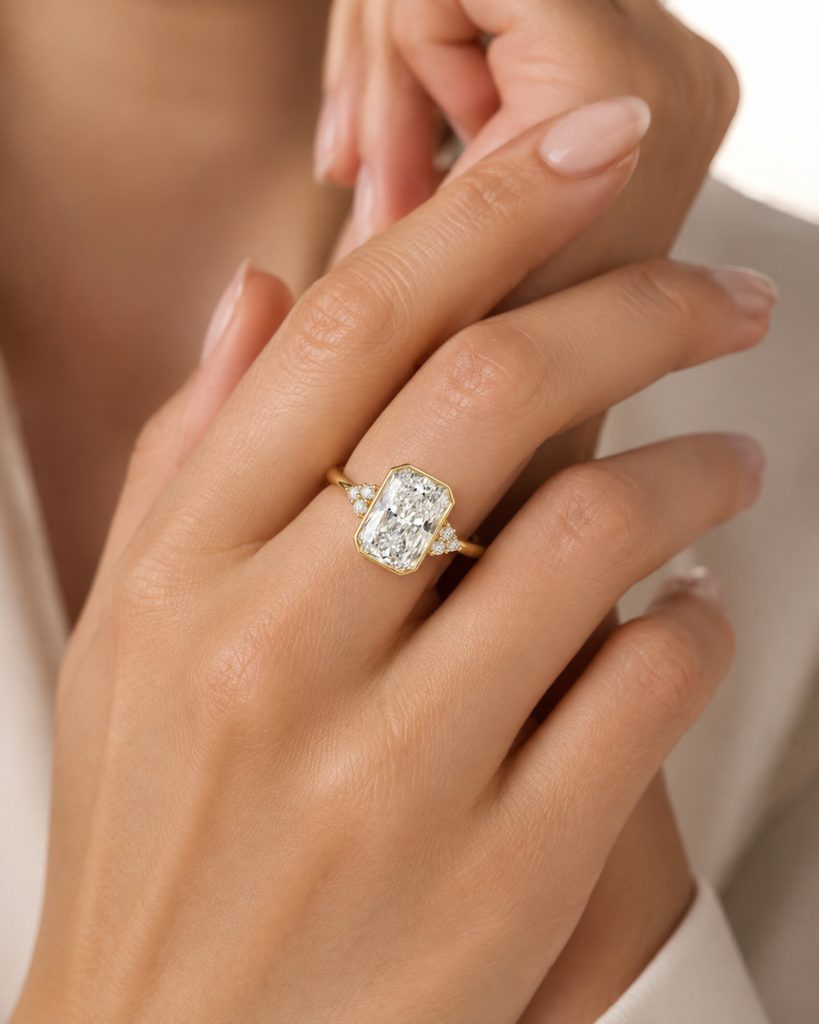
The stability of raw material supply directly determines a manufacturer’s peak-season production capacity, making supplier selection one of the most critical seasonal preparation tasks. As lab-grown diamonds gain mainstream recognition in the global jewelry market for their cost advantages, stable quality, and sustainable attributes, most manufacturers now prioritize lab-grown diamond suppliers for holiday product batches. Reasonable seasonal vendor selection can effectively avoid supply chain disruptions caused by peak-season material shortages, delayed deliveries, or inconsistent quality.
In the peak season supplier screening process, manufacturers focus on comprehensive strength assessment rather than simple price comparison. Key evaluation indicators include annual production capacity, quality control standards, order response speed, peak-season delivery capability, and after-sales service stability. Excellent suppliers can flexibly adjust production schedules according to manufacturers’ seasonal needs, prioritize bulk order production, and maintain consistent diamond cutting, color, and clarity standards for large-batch products. This rigorous screening mechanism helps manufacturers filter out unstable small-scale suppliers and establish long-term cooperative relationships with high-quality partners, laying a solid foundation for holiday order delivery.
Reliable Lab Grown Diamond Supplier Cooperation Mechanisms
To guarantee continuous and high-quality diamond supply during demand spikes, manufacturers must establish in-depth cooperative ties with qualified upstream producers. Choosing reputable lab grown diamond companies is essential for avoiding peak-season supply risks, as these professional enterprises possess standardized production lines, mature technical systems, and sufficient reserve capacity. Formal lab-grown diamond manufacturers adopt advanced CVD and HPHT growth technologies, with strict quality inspection processes covering diamond color, clarity, cut, and carat weight, ensuring every loose stone meets international jewelry production standards.
Reputable industry players also feature transparent supply chain management and flexible order mechanisms, supporting customized specifications and bulk batch production for holiday jewelry collections. Unlike ordinary small suppliers that often face capacity saturation and quality fluctuations in peak seasons, formal companies can stably output high-quality diamonds of conventional hot-selling specifications and customized special styles. For jewelry manufacturers, long-term cooperation with such suppliers enables advance reservation of peak-season production capacity, priority delivery rights, and exclusive material quality standards, effectively solving the core pain points of insufficient supply and unstable quality during seasonal demand surges.
Professional manufacturers further optimize cooperation modes by signing seasonal supply framework agreements with core suppliers. These agreements clarify peak-season supply volumes, delivery cycles, quality standards, and emergency response plans, forming a binding cooperative mechanism. When market demand suddenly rises, suppliers can quickly mobilize production resources to supplement materials, ensuring manufacturers do not suspend production or delay orders due to raw material shortages.
Bulk Inventory Layout for Hot Selling Holiday Jewelry Products
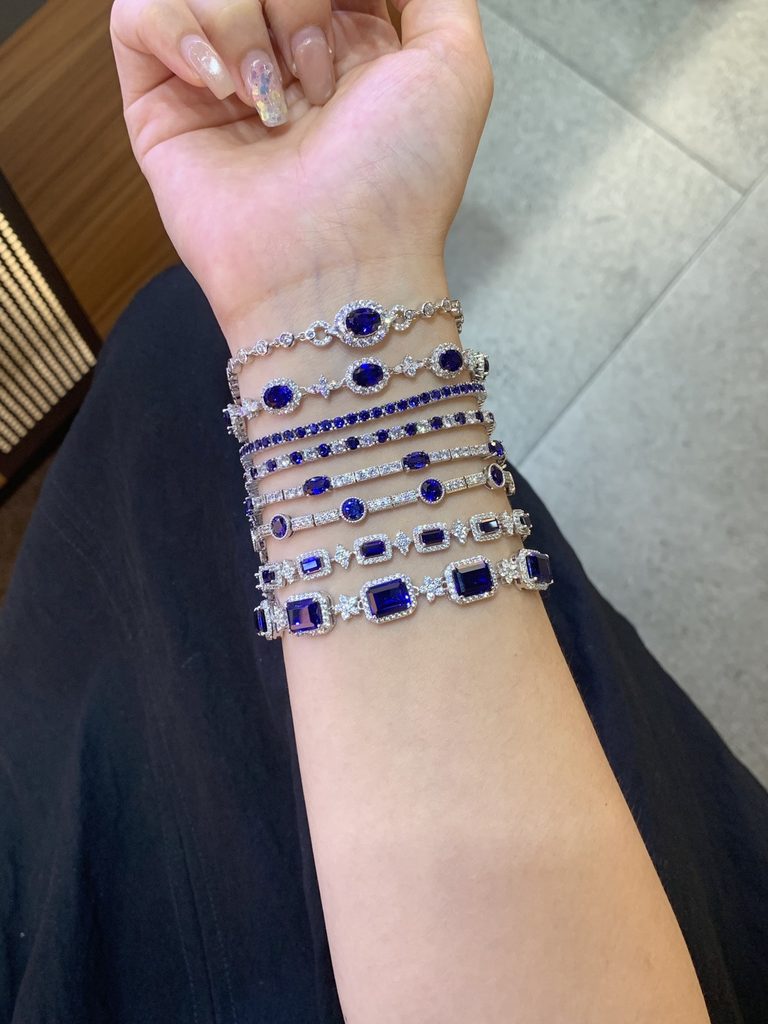
Necklaces are always the best-selling category in holiday jewelry collections, favored by consumers for their strong decorative value and rich gifting attributes. For seasonal market layout, manufacturers will pre-produce and stock classic and trendy styles to meet centralized market demand. wholesale lab diamond necklace products are the core inventory layout focus for peak seasons, covering mainstream specifications such as one-carat solitaire necklaces, micro-pavé cluster necklaces, and minimalist layered diamond necklaces.
Manufacturers adopt differentiated inventory strategies for wholesale lab diamond necklace products based on market demand characteristics. Classic versatile styles with stable market demand will be stocked in large quantities to support bulk wholesale orders, while trendy seasonal limited styles will maintain moderate inventory to balance sales volume and inventory risk. All pre-stocked diamond necklaces undergo unified cutting, polishing, inlay, and quality inspection processes to ensure consistent product quality, meeting the uniform standard requirements of brand retail and wholesale customers.
In addition to finished product inventory, manufacturers also reserve a certain amount of loose lab-grown diamond inventory of hot-selling specifications. This reserved material can support temporary customized orders and supplementary orders during the peak season, improving order flexibility and customer satisfaction. Through the dual layout of finished products and raw materials, manufacturers can quickly respond to diverse holiday market demands and achieve rapid order delivery.
Peak Season Production Capacity Optimization and Scheduling Management
Sufficient raw material supply needs to be matched with efficient production capacity to fully release seasonal market potential. After completing supplier confirmation and inventory layout, jewelry manufacturers will carry out comprehensive optimization of internal production systems. First, manufacturers will adjust production schedules one to two months in advance, prioritizing the production of holiday hot-selling products and bulk wholesale orders to ensure orderly production progress.
Meanwhile, manufacturers will optimize personnel allocation, arrange pre-holiday staff training, and adjust shift systems to improve daily production efficiency. For key processes such as diamond inlay, polishing, and quality inspection, manufacturers will deploy experienced technical workers to reduce defective product rates and improve product yield. Advanced production equipment and intelligent management systems are also adopted to monitor production progress in real time, discover and solve production bottlenecks in a timely manner, and ensure stable daily output.
In response to unexpected large orders in the peak season, manufacturers will reserve flexible production space and standby capacity. By optimizing the production process chain, simplifying redundant operation links, and improving production standardization, the overall production efficiency is effectively improved, which can quickly respond to sudden order growth while ensuring product quality and delivery time.
Quality Control and After Sales Guarantee for Seasonal Orders
Quality stability is the core competitiveness for manufacturers to retain customers in the fierce seasonal market competition. Faced with intensive holiday order production tasks, standardized and strict quality control procedures are particularly important. Relying on high-quality raw materials provided by reliable lab made diamonds company, manufacturers implement full-process quality inspection from raw material incoming inspection, semi-finished product processing to finished product delivery.
Each batch of lab-grown diamonds will be inspected for color, clarity, cut, and fluorescence before entering production, and unqualified stones will be eliminated in a unified manner. In the production and processing stage, special inspectors will check the firmness of diamond inlay, the smoothness of metal polishing, and the uniformity of product details one by one. After the finished products are completed, comprehensive quality sampling and overall inspection will be carried out again to ensure that all delivered products meet international jewelry quality standards.
In terms of after-sales service, manufacturers will launch exclusive seasonal service mechanisms to support customers’ holiday sales. Including flexible order adjustment services, timely after-sales maintenance support, and professional product packaging matching services, helping customers reduce operational risks in the peak season. Perfect quality control and after-sales guarantee system enable manufacturers to maintain stable customer relationships and market reputation while rapidly expanding seasonal order volume.
Long Term Seasonal Operation Optimization for Sustainable Development
Seasonal demand preparation is not a temporary emergency measure but a long-term systematic operation strategy for jewelry manufacturers. After each peak season, professional manufacturers will sort out seasonal operation data, summarize supply chain advantages and deficiencies, and continuously optimize vendor cooperation mechanisms, inventory layout strategies, and production scheduling schemes. Through continuous iteration and improvement, manufacturers can form a mature seasonal response system, realizing seamless docking with market demand every year.
With the continuous upgrading of consumer demand and the rapid development of the lab-grown diamond industry, the market competition in holiday jewelry sales will become increasingly fierce. Only by adhering to data-driven forecasting, strict supplier screening, scientific inventory layout, and efficient production management can manufacturers effectively cope with seasonal demand spikes, stabilize product supply and quality, and provide reliable support for customers’ holiday market expansion. In the long run, systematic seasonal preparation capabilities will become the core barrier for jewelry manufacturers to maintain steady growth and occupy a favorable market position.