Small‑Batch Ordering and Sourcing Tips for Lab‑Grown Diamond Startups
Launching a fine jewellery brand built around lab‑grown diamonds brings exciting market potential, yet early‑stage operators often face steep capital pressure and unpredictable consumer preference shifts. Many new brands make missteps by committing large funds to pre‑finished jewellery sets before validating real‑world demand, tying working capital into slow‑moving stock that limits future creative and marketing flexibility. From our production perspective, successful startup growth hinges on balanced stock planning, careful supplier screening, and iterative market testing before scaling volumes. New ventures can avoid common financial pitfalls by aligning purchasing rhythm with actual sales feedback, separating loose stone holdings from finished assembly work, and building dependable supply pipelines that grow alongside brand traction.
Balancing capital exposure with realistic stock planning
Every newly launched fine jewellery label must weigh how much cash to allocate toward physical goods. Lab‑grown diamonds deliver appealing retail margins, but stone values still represent meaningful investment for young companies, and unsold pieces lock resources that could go toward content creation, website upgrades, or community building. Many emerging designers mistakenly mirror large established houses, filling vaults with wide‑ranging fancy shapes, rare colour variants, and premium clarity grades before understanding local buyer tastes. This approach frequently generates idle inventory that sits unsold for months or longer.
Effective planning starts by defining clear turnover expectations. Set internal timelines for how fast each category of stones and finished items should move. Concentrate initial holdings on mainstream specifications that consistently attract consumer interest, such as round brilliant, oval and pear shapes within popular carat ranges, sticking to stable colour‑clarity combinations proven in retail environments. Keep niche fancy shapes and vivid colour stones as order‑on‑demand selections rather than stocking large quantities upfront. This principle defines smart jewellery startup stock management, preserving liquidity while still offering customers a diverse product catalogue.
It is equally important to separate finished‑piece stock from unmounted stones. Holding too many completed rings, pendants, and earrings reduces operational agility; if one design fails to resonate, you are left with stones permanently locked into unwanted metal settings. Maintaining flexible unmounted stock allows you to re‑purpose stones across new collections without full write‑offs, adjusting metal styles according to customer inquiries and sales signals.
Market validation through controlled trial purchasing
Before committing to substantial volumes, startups need tangible feedback about which diamond sizes, proportions, and styles convert browsers into paying customers. This is where small‑batch diamond order workflows deliver their greatest value, allowing brands to test product performance without exposing the whole business to risk. Trial runs should match realistic early sales projections, avoiding over‑ordering simply to chase better per‑carat unit pricing. Lower per‑unit costs from large lots offer little benefit if those stones remain unused for extended periods.
When preparing trial orders, define a narrow baseline specification sheet. Select two to three core carat sizes, limit colour and clarity to market‑friendly tiers, and restrict shape variety for initial stock. Reserve exotic cuts for made‑to‑order options. For each trial batch, track clear performance metrics: website inquiry volume, add‑to‑cart rates, actual completed sales, and direct customer feedback about preferred dimensions and price brackets. These observations will guide every subsequent restock decision.
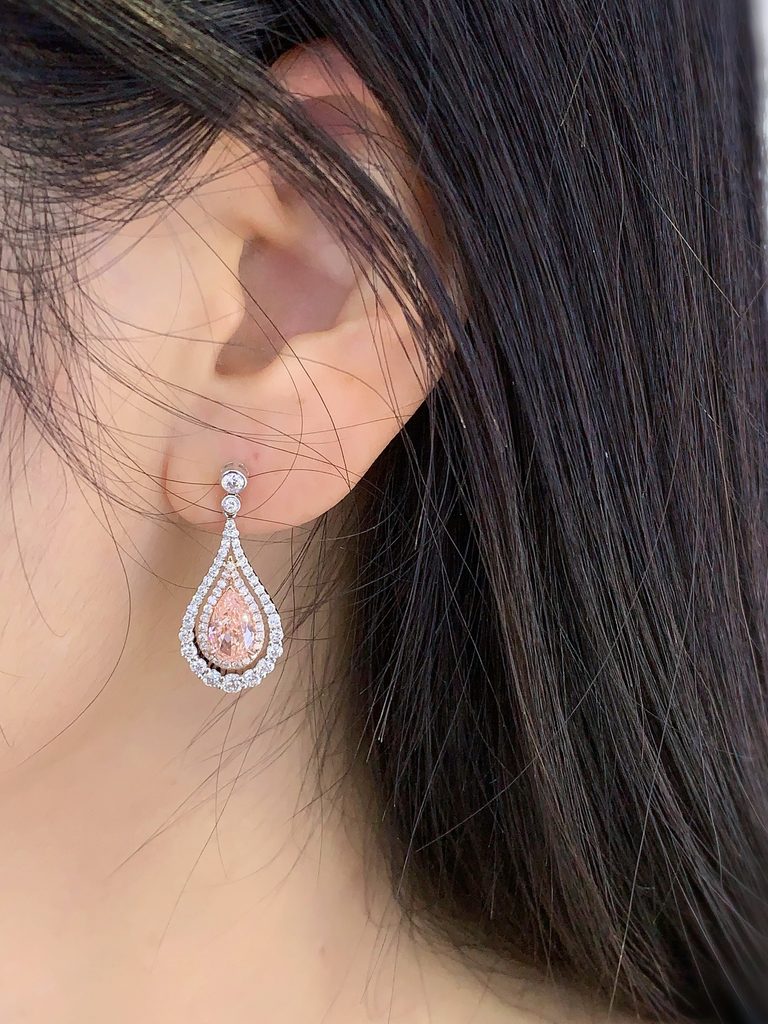
Trial work also extends to finished accessory categories. Many contemporary fine‑jewellery audiences favour wearable everyday statement pieces, and custom earrings wholesale runs represent one practical way for new labels to test public reaction to stone sizes, setting styles, and metal finishes. Earrings carry lower average material cost compared to large solitaire rings, making them ideal vehicles to observe which stone cuts and mounting concepts resonate, before expanding investment into higher‑ticket items. Sample finished pieces from small‑scale production cycles help refine CAD design details, check metal finishing consistency, and spot setting‑related flaws ahead of wider market release.
Building flexible loose‑stone holdings for responsive fulfilment
Managing loose lab diamond stock thoughtfully creates operational agility for growing brands. Unmounted lab‑grown diamonds become your most adaptable asset when curated carefully. Avoid purchasing every conceivable specification. Instead, build a core pool of calibrated, certified stones covering your best‑selling parameters, while keeping harder‑to‑sell specs available via short‑lead‑time supplier ordering rather than internal storage.
Track each stone group by grading report parameters, growth technology, and physical condition. Reputable stones arrive with independent third‑party certification, and you should cross‑reference report numbers through official gem‑laboratory portals to verify authenticity before accepting shipments. Separate CVD and HPHT material within your records, as certain customers express preference for one production method. Note subtle factors including fluorescence behaviour, which can alter visual appearance under retail and studio lighting.
Design a practical replenishment trigger system. Set pre‑defined minimum quantity thresholds for each frequently‑used stone SKU. When available stock falls below that threshold, initiate new supplier deliveries instead of waiting until complete depletion. This prevents fulfilment delays for in‑demand designs, yet keeps overall stock levels restrained. Reserve capital so you can ramp‑up volumes rapidly once data confirms sustained demand for a given specification. For shapes and grades that only generate sporadic interest, eliminate holding costs entirely by fulfilling those customer requests directly through supplier drop‑ship arrangements.
Core criteria for reliable lab‑grown diamond supply partners
Your long‑term brand reputation depends entirely on consistent stone quality, accurate documentation, and predictable lead‑times. This reality makes lab diamond vendor selection one of the most consequential decisions a new jewellery label will make. The marketplace contains many operators ranging from original production facilities to middle‑man resellers, and surface‑level online pricing does not always signal trustworthy performance. New entrants need structured evaluation steps rather than selecting suppliers purely based on the lowest listed per‑carat rate.
Begin supplier assessment by confirming operational background. Lab grown diamond manufacturer & wholesaler partners that oversee growth, cutting and polishing in‑house deliver more consistent quality control compared to brokers assembling parcels from multiple unknown sources. Confirm whether each candidate can provide complete traceability for every stone lot, full third‑party grading documentation, transparent turnaround estimates, and clear terms covering returns for stones that fail visual or specification checks upon arrival.
Always request physical sample parcels before placing meaningful orders. Inspect stones under both daylight‑simulated and indoor retail lighting. Confirm cut brilliance, check for unexpected visible inclusions, and cross‑check physical stones against certificate parameters. Pay attention to order flexibility. Strong partners support modest initial order sizes for startup testing, instead of enforcing rigid high minimum order quantities that force over‑stocking. Review communication responsiveness, after‑sales support protocols, and how they handle discrepancy resolution. Avoid partners pushing generic in‑house grading documents; only accept internationally‑recognised independent laboratory reports.
Also evaluate their capacity for scaling. A vendor may handle small‑trial shipments smoothly, yet struggle with consistency when your order size grows. Discuss how they maintain colour and clarity uniformity across expanding batches, what lead‑time adjustments occur during peak seasonal cycles, and whether they can support custom‑calibrated stone requirements as your collection evolves.
Refining ongoing workflows for sustainable brand expansion
Solid lab grown diamond sourcing practices do not conclude after finding suitable suppliers. They evolve continuously as your brand gains market traction. Maintain open dialogue with supply contacts, sharing sales trend observations so they can anticipate your shifting needs. Schedule periodic quality spot‑checks even after establishing comfortable working relationships, to guard against drifting consistency across new production runs.
Keep reassessing your stock mix quarterly. Discontinue holding inventory for specifications that consistently under‑perform over multiple sales cycles. Shift those funds toward stones driving real conversion. Retain made‑to‑order pathways for specialty requests, so customers still have access to less‑popular shapes without you carrying permanent inventory exposure.
Develop realistic expectations for lead‑time variability. Even dependable sources experience delays linked to polishing backlogs, laboratory certification queues, or material availability. Build buffer windows into your customer communication, and avoid promising overly‑tight delivery timelines. Many startup brands encounter reputational harm by promising fast turnarounds without accounting for real‑world supply‑chain constraints.
For finished‑goods workflows, continue blending small‑batch production runs alongside made‑to‑order services. Produce limited finished quantities of proven best‑selling designs, while fulfilling newer or niche‑concept jewellery on request. This hybrid model balances fast shipping for popular items with controlled risk when exploring fresh creative directions. As revenue and brand recognition grow, you can incrementally raise order sizes, secure improved unit pricing, and expand your in‑house stone assortment, all guided by accumulated real‑customer data rather than speculative forecasts.
Building a lab‑grown‑diamond fine jewellery venture demands careful balance between ambition and prudence. Thoughtful small‑batch purchasing, intentional loose‑stone stock curation, and rigorous supplier vetting protect your capital while giving room for creative experimentation. By grounding purchasing decisions in genuine market feedback instead of theoretical forecasts, newly launched brands can construct resilient supply foundations capable of supporting steady, sustainable growth for years ahead.